
Company
Henry Schein One
Transforming Product Experience at Enterprise Scale
Role
Senior Director of User Experience & Research
Overview
At Henry Schein One, I led the transformation of product design across a large portfolio of dental software products used by practices, teams, and patients around the world.
The challenge extended well beyond individual screens or workflows. Products had evolved across different technologies, teams, and business units, creating inconsistent experiences and duplicated effort. At the same time, critical patient-facing journeys presented significant opportunities to improve conversion, satisfaction, and practice efficiency.
My role was to build the UX organization, create the systems needed to operate at scale, and ensure those investments translated into measurable improvements for customers and patients.
Metrics
5
x
Team Growth
40
%
Increase in patient scheduling conversion
25
%
Customer satisfaction
15
%
Reduction in support volume
20
%
Increased customer retention
90
%
Faster product delivery
The Challenge
A fragmented portfolio needed more than a visual redesign
Henry Schein One brought together a broad portfolio of dental software products that had evolved independently over many years.
Different products had different interaction patterns, technologies, design approaches, and levels of UX maturity. Teams were often solving similar problems independently, while customers experienced inconsistencies as they moved between products.
At the same time, some of the most important customer and patient journeys contained significant friction.
The opportunity was therefore much larger than creating a more consistent interface.
We needed to improve how the organization designed products, create shared infrastructure that could scale across the portfolio, and demonstrate that better product experiences could drive measurable customer and business outcomes.
Building the Organization
From a small design function to an enterprise product capability
When I joined Henry Schein One, UX was still developing as an organizational capability.
I grew the team from four people to more than 20, expanding our ability to support a complex global product portfolio while raising the role design played in product strategy and development.
But increasing headcount was only part of the work.
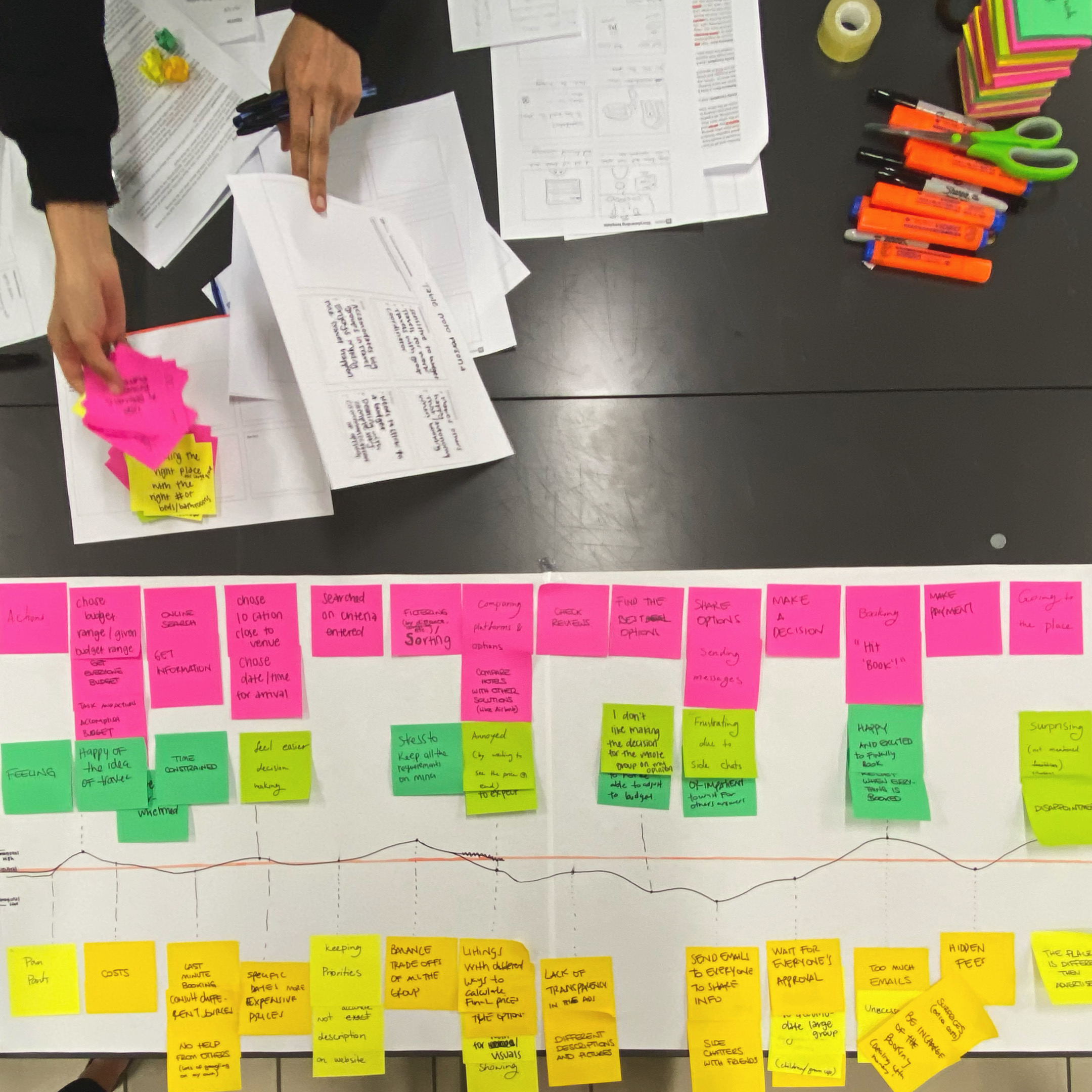
We established clearer roles and responsibilities, strengthened partnerships between design, product, and engineering, and created more consistent approaches to customer research, experience strategy, and product delivery.
The goal was to move design upstream.
Rather than simply responding to feature requirements, designers became partners in understanding customer problems, defining opportunities, shaping product direction, and evaluating whether what we built actually improved the experience.
What changed
- Expanded the UX organization
Grew the team from 4 to 20+ across a complex product portfolio. - Strengthened cross-functional partnerships
Integrated design more deeply with product management and engineering. - Increased customer focus
Expanded research and validation as part of product development. - Raised the strategic role of design
Shifted UX from execution support toward product and experience strategy.
Creating Systems That Scale
Building shared infrastructure for a growing portfolio
As the organization grew, consistency became a scalability problem.
Teams across the portfolio were repeatedly designing and developing similar components and interaction patterns. That increased delivery time, created unnecessary design and engineering effort, and made it harder to provide customers with a coherent experience.
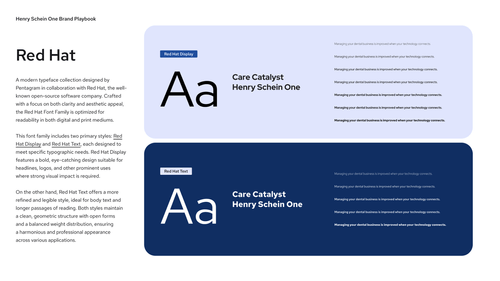
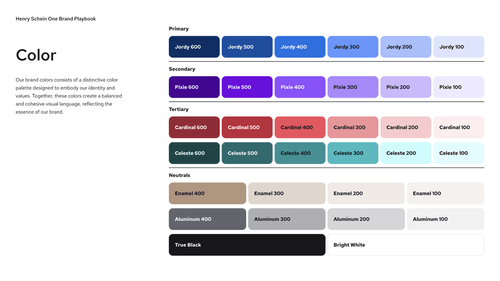
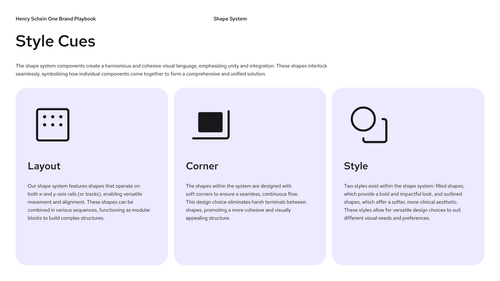
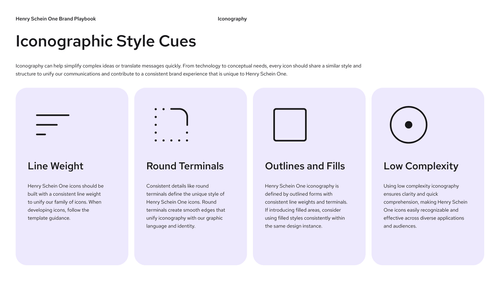
We created Resin, a shared design system that gave teams a common foundation of components, patterns, standards, and design principles.
The purpose was never simply visual consistency.
Resin was infrastructure for product development.
By reducing the amount of foundational UI work teams had to solve repeatedly, designers and engineers could spend more time on the customer problems that actually differentiated the product.
The impact of a shared system
On one product, adoption of the system contributed to an approximately 90% reduction in time-to-market for applicable product work.
Across the broader portfolio, shared patterns and reusable infrastructure contributed to an approximately 30% improvement in delivery speed.
Just as importantly, the system created a common product language across teams and made it easier to deliver experiences that felt like part of the same ecosystem.
Improving the Patient Experience
Turning organizational improvements into measurable customer outcomes
Building the organization and creating scalable infrastructure only mattered if those investments translated into better experiences.
One of the clearest opportunities was the patient experience.
For dental practices, digital patient interactions are directly connected to operational efficiency and growth. For patients, even relatively simple tasks such as finding an appointment and completing a booking can become barriers when the experience is confusing or unnecessarily time-consuming.
The existing scheduling journey presented substantial friction.
Only about 25% of users who entered the scheduling experience completed a booking, and the process could take approximately six minutes.
That created an opportunity to rethink the experience around the patient rather than around the underlying system.
Understanding the Journey
Simplifying the path from intent to appointment
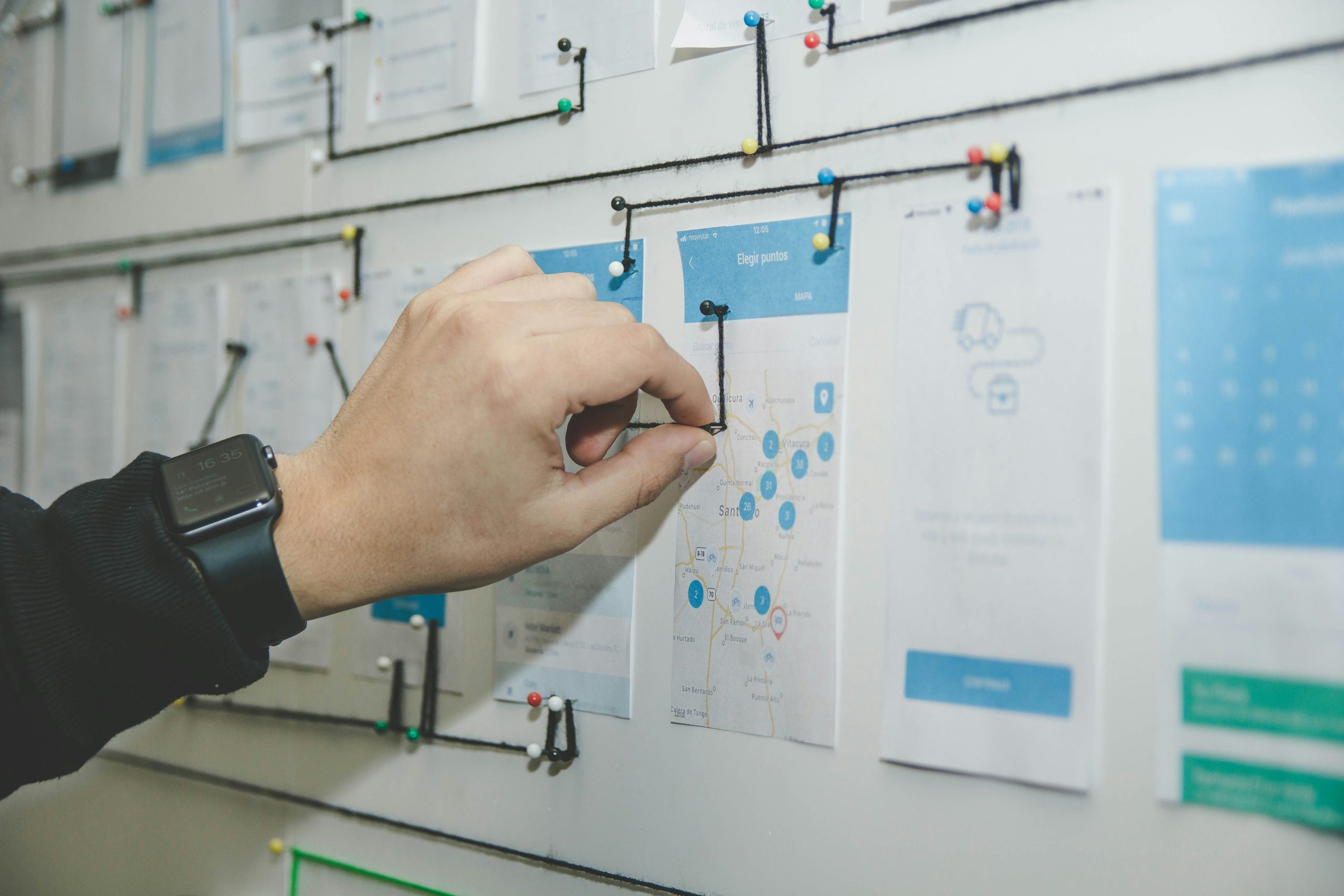
We looked beyond individual interface problems and considered the complete patient journey.
Where were patients hesitating?
What information did they need before choosing an appointment?
Which decisions were being presented too early?
Where did the system expose complexity that patients did not need to understand?
Customer research, behavioral data, and iterative design helped us identify opportunities to reduce cognitive load, simplify decisions, and remove unnecessary steps from the scheduling process.
Instead of asking patients to understand the structure of the underlying software, we designed the experience around the task they were actually trying to accomplish:
Find the right appointment and book it with confidence.
Redesigning the Experience
Fewer decisions. Clearer choices. Faster completion.
The redesigned scheduling experience simplified the journey from initial intent through confirmed appointment.
We reduced unnecessary complexity, clarified information hierarchy, improved the way available appointments were presented, and created a more focused path through the booking process.
The work was developed iteratively through close collaboration between design, product, engineering, and customer-facing teams.
Rather than treating the redesign as a one-time release, we used behavioral data and customer feedback to continue refining the experience after launch.
The Impact
The redesigned scheduling experience produced a substantial shift in performance.
Scheduling conversion increased from 25% to 67%, while average completion time dropped from approximately six minutes to under three. Across the broader experience, customer satisfaction improved 25%, support volume declined 15%, and customer retention increased 20%.
More importantly, the results demonstrated that the work was having an impact beyond usability. Simplifying critical customer journeys improved conversion and efficiency while reducing the operational burden on both patients and practices.
The patient experience became tangible proof of the broader transformation: stronger customer insight, better cross-functional collaboration, and scalable product infrastructure could translate directly into measurable business results.
From Design Function to Business Capability
The transformation at Henry Schein One was larger than any individual interface, design system, or team.
We built an organization capable of working across a complex enterprise portfolio. We created shared infrastructure that allowed teams to move significantly faster. And we demonstrated through the patient experience that better product design could produce measurable improvements for customers and the business.
The work reinforced a principle that continues to shape how I lead product organizations:
The greatest impact does not come from designing better screens. It comes from creating the teams, systems, and ways of working that allow better products to emerge consistently.
